


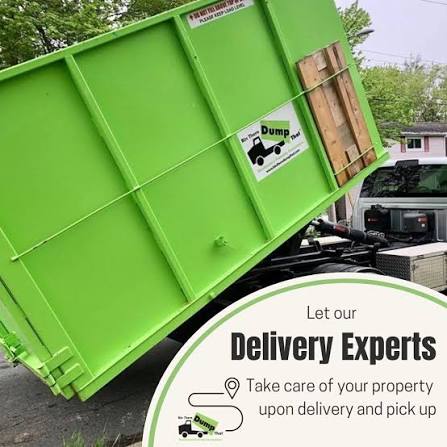
Waste management is essential to modern life, & bin rentals are invaluable for larger projects like renovations or clear-outs. But have you ever considered how those handy bins affect the environment? It's more complicated than you might think, & fortunately, there are ways to make them a greener option. You're getting more than just a metal container when you rent a bin. It involves a complex process, each of which has an impact on the environment.
Considering this whole lifecycle enables us to identify the impact and find ways to lessen it. producing the bins themselves. It takes energy and raw materials to make those robust steel bins. Although steel is recyclable, the initial manufacturing process involves energy consumption & emissions.
The environmental impact of bin rentals is an important topic that highlights the need for sustainable waste management practices. For those interested in exploring this issue further, a related article can be found at Muskoka Bin Rental Blog, which discusses various aspects of waste disposal and the benefits of using bin rentals to minimize ecological footprints. This resource provides valuable insights into how responsible bin rental services can contribute to a greener environment.
Extraction of Raw Materials: Mining for coal, iron ore, and other alloys harms the environment, including potential water pollution & disturbance. Energy Consumption: Steel shaping and smelting require large amounts of electricity, which is frequently produced from fossil fuels and adds to greenhouse gas emissions. Transportation of Materials: The carbon footprint is increased by transporting these raw materials to manufacturing facilities. Fueling the Fleet: Transportation and Trucks.
In addition to being necessary, the large trucks that deliver and retrieve bins also significantly increase fuel consumption & air pollution. This is arguably one of the service's most obvious environmental effects. Diesel Emissions: Particulate matter, nitrogen oxides, and greenhouse gases are released when waste hauling trucks use diesel fuel. Acid rain, smog, and climate change are all influenced by these. More trucks on the road can exacerbate traffic congestion, which increases idling time & emissions. Route Optimization: Fuel consumption and emissions can be greatly increased by inefficient routing.
It can be beneficial to select a local provider that optimizes their routes. The destination of the landfill (or diversion). The greatest environmental gains or losses take place during this stage, which is perhaps the most crucial. Much of the overall impact of the bin is determined by what happens to the waste after it leaves your property. Landfill Space: Transporting waste to landfills takes up valuable space that could be utilized for natural habitats, housing, or agriculture.
The environmental impact of bin rentals is an important topic to consider, especially as communities strive to manage waste more sustainably. For those interested in understanding what materials can be disposed of in these rentals, a related article provides valuable insights. You can explore the specifics of acceptable items by visiting this informative guide, which highlights the best practices for using bin rentals effectively while minimizing environmental harm.
Leachate, a hazardous liquid that can contaminate groundwater, is another product of landfills. Methane Production: When organic waste breaks down in oxygen-free landfills, it releases methane, a strong greenhouse gas that has a much greater short-term impact than carbon dioxide. Resource Depletion: When salvageable materials are thrown away, new raw materials must be extracted and processed, which feeds the cycle of consumption & environmental deterioration. When waste is diverted from landfills, bin rentals have a much better environmental story.
Innovation and thoughtful decisions really shine here. Recycling is the cornerstone of diversion. The most popular and frequently available method of waste diversion is recycling.
These days, a lot of bin rental companies provide separate bins for particular materials or combined recycling. Material-Specific Bins: Concrete, metal, cardboard, and wood can all have their own bins. This facilitates sorting at the source and raises the possibility of recycling success.
Commingled Recycling: Although convenient, commingled bins need to be thoroughly sorted at a material recovery facility (MRF). If the materials are not properly separated, this can occasionally result in contamination and landfilling. Energy Savings: Compared to creating new materials from virgin resources, recycling materials like steel, plastic, and aluminum results in significant energy savings.
Decreased Extraction of Raw Materials: Less logging and mining results in less habitat destruction and less energy used to extract new resources. Organic waste composting. Composting is an excellent way to keep organic waste out of landfills for projects involving yard waste, brush, or specific food scraps. Nutrient-Rich Soil: By converting organic waste into useful soil amendments, composting improves water retention, enriches soil, and lessens the need for chemical fertilizers. Methane Reduction: Composting stops the production of methane by aerobically (with oxygen) breaking down organic matter, which is a major benefit for mitigating climate change.
Closed-Loop System: This makes the system more circular & turns waste into a resource. Reuse and Repurposing: Giving Materials a Second Chance. Think about whether something can be repurposed or reused before putting it in a recycling bin. Since it completely avoids processing, this is frequently the most ecologically friendly choice. Donation: Good-quality furniture, appliances, and building supplies can frequently be given to charitable organizations or thrift shops. Upcycling: Ingenious people can create new, practical products out of used materials.
Consider repurposing old doors as tables or pallets as garden furnishings. Material Exchanges: Used building materials can be sourced or offered through online platforms or programs in certain communities. Facilities that convert waste into energy (WTE).
WTE facilities can be an alternative to landfills, especially for non-recyclable residual waste, but they are not as good as recycling or composting because of emissions. Energy Generation: By burning waste to generate heat or electricity, these facilities lessen the need for fossil fuels. Decreased Landfill Volume: WTE considerably lowers the amount of waste that needs to be disposed of in landfills, usually by 70% in weight and 90% in volume.
Emissions Concerns: Despite strict emission regulations, modern WTE plants nevertheless emit pollutants & greenhouse gases, albeit frequently in smaller amounts than methane from landfills would over time. The good news is that you have control over this process as a customer. Your bin rental's environmental impact can be greatly decreased by making wise choices. Select Your Provider Carefully. When it comes to environmental practices, not all bin rental companies are the same.
Before you book, do some research. Inquire About Diversion Rates: A respectable business ought to be able to tell you what proportion of the waste they collect is kept out of landfills. The better, the higher.
Ask About Sorting Procedures: Do they sort at their facility or do they provide different bins for different materials? Examine Their Fleet: Do they have any initiatives for route optimization? Do they employ newer, more fuel-efficient cars? Local Providers: Choosing a local business can lower emissions from transportation.
Carefully Sort Your Trash. This is possibly the most significant action you can take. Your waste streams are more likely to be recycled or composted if they are cleaner.
Know What Goes Where: Request a detailed list of what can and cannot be placed in each type of bin from your bin rental company. Sort Organics: If you have waste that is organic (e.g. A g. yard waste, untreated wood), think about using a different container for composting.
Eliminate Contaminants: An entire batch of recyclables can be contaminated by a single non-recyclable item, which would send them all to the landfill. Be meticulous. Educate Others: If someone else is adding to the trash can (e. The g. Make sure they comprehend the sorting guidelines during a construction project.
Reduce Waste Production Early on. Never-created waste is the most ecologically friendly waste. Although it may seem apparent, making a conscious effort is worthwhile. Plan Ahead: To prevent making unnecessary purchases, precisely estimate the materials required for renovation projects.
Deconstruct, Don't Demolish: Rather than just demolishing and producing mixed rubble, carefully disassemble buildings whenever you can to save materials for recycling or reuse. Purchase Durable Goods: Select long-lasting products to cut down on the need for replacements and the waste that results. Think About Sustainable Materials: When building or remodeling, choose materials that are recyclable, recycled, or sourced sustainably. Optimize Bin Usage and Size. Reducing the impact on the environment can also be achieved by selecting the appropriate size bin and effectively managing its use.
Precise Sizing: If you rent a bin that is too big, you will have to pay for extra space and possibly extra fuel to transport a partially empty container. If it's too small, you may require several pickups, which would increase the cost of transportation. Consolidate Waste: To prevent making repeated trips for bins that are only partially filled, fill the bin as efficiently as you can, compacting materials where necessary. Shared Bins: To fill a larger bin more effectively for larger projects or neighborhood clean-ups, think about combining resources with neighbors. Regulations, technical developments, and growing environmental consciousness all contribute to the waste management sector's ongoing evolution. cutting-edge sorting technologies.
Optical sorters, robotics, & artificial intelligence are lowering contamination rates and increasing the efficiency of material recovery facilities. This implies that more materials can be effectively kept out of landfills. Electric fleet and alternative fuels. In an effort to drastically cut emissions, some waste haulers are starting to experiment with alternative fuels like compressed natural gas (CNG) or even electric waste trucks. The principles of a circular economy.
Waste management, including bin rentals, will be drastically altered by the broader transition to a "circular economy" where waste is planned out, goods and materials are kept in use, and natural systems are regenerated. This implies a stronger focus on high-value recycling, reuse, and repair. Changes in regulations & policy. Policies such as carbon pricing, extended producer responsibility (EPR) programs, and landfill bans for specific materials are being implemented by governments more frequently. These measures encourage better waste management practices from both consumers and bin rental companies.
In conclusion, even though bin rentals are incredibly convenient, they have a significant & varied impact on the environment. However, we can turn them from a necessary evil into a more sustainable solution for our waste management needs by being aware of the different phases of their lifecycle and actively selecting greener options, both as suppliers and consumers. It's about seeing beyond the mere appearance & disappearance of a bin and appreciating the bigger system at work, as well as our ability to positively impact it.
.
FAQs
What is the environmental impact of bin rentals?
Bin rentals can have both positive and negative environmental impacts. On the positive side, they can help with proper waste management and recycling efforts. However, if not managed properly, bin rentals can contribute to increased landfill waste and pollution.
How can bin rentals help with environmental sustainability?
Bin rentals can help with environmental sustainability by providing a convenient way for individuals and businesses to properly dispose of waste and recyclable materials. This can help reduce illegal dumping and promote recycling efforts.
What are some potential negative environmental impacts of bin rentals?
Some potential negative environmental impacts of bin rentals include increased landfill waste, pollution from improper disposal of hazardous materials, and the use of non-biodegradable materials in the bins themselves.
How can bin rental companies minimize their environmental impact?
Bin rental companies can minimize their environmental impact by using eco-friendly materials for their bins, promoting recycling and proper waste disposal practices, and offering options for hazardous waste disposal.
What can individuals and businesses do to minimize the environmental impact of bin rentals?
Individuals and businesses can minimize the environmental impact of bin rentals by properly sorting their waste, recycling as much as possible, and choosing bin rental companies that prioritize environmental sustainability.
Bin There Dump That Muskoka is one of the best bin rental companies in the area. Contact us for all your Muskoka bin rental needs.